


Top 20 Questions and Answers About Tactical Fitness Training for Military, Police, Firefighter and Special Ops Candidates

When it comes to tactical fitness, I have become a trusted resource for aspiring service members and fitness enthusiasts alike. Drawing on my own athletic experience in high school and college, as well as my service as a Navy SEAL, Spec Ops swimming coach, and tactical fitness coach, I have answered thousands of questions from those eager to enhance their physical readiness and mental fortitude.
Here’s a look at the top 20 questions that pop up in conversation each week through my email (stew@stewsmith.com) or on social media platforms: YouTube, Instagram, TikTok, and Facebook. These questions are not just for the military candidate; they resonate with anyone looking to elevate their fitness game.
1. What does a typical training regimen look like for aspiring Navy SEALs?
A promising candidate’s training begins with a balance of strength, endurance, and skill work. I emphasize the importance of variety and eliminating weaknesses by incorporating a mix of calisthenics, strength training, swimming, rucking, and running. You have to first pass the Navy PST to get accepted, so your training should look like the PST with swimming, pushups, situps, pullups, and running as the foundation. Then you have to have time to focus on getting THROUGH training by specifically targeting the BUD/S events. The two programs I have for these three separate phases of tactical fitness are below:

Phase 1 - Getting Accepted TO the training
Phase 2 - Getting THROUGH Basic, Boot Camp, Academy, or Spec Ops Selection.
2. What are the most effective exercises for building functional strength for the tactical athlete?
I recommend compound movements, such as pull-ups, push-ups, and squats, as a good starting point. But see ideas for a tactical/functional lift cycle here. These exercises engage multiple muscle groups, aiding both strength and endurance. Adding weight with weight vests, sandbags, dumbbells, kettlebells, or barbells so that you are challenged to get 5 or fewer reps per set is the way to build strength and durability. Building muscle mass requires higher rep ranges of 10 or more, which also helps develop the necessary muscle stamina and work capacity. Lifting movements such as the bench press, overhead press, back squats/front squats, as well as deadlifts, should also be part of the lifting cycle if strength needs to be gained. See our Tactical Fitness Periodization Lift Cycle.

3. How can someone improve their swimming technique, especially under pressure?
The best way is to get lessons from a coach. The second-best approach is to watch videos and apply the techniques as best you can during swim workouts. Swimming can be daunting, particularly when you're racing against the clock or navigating turbulent waters. There are many breakthrough moments where honing stroke efficiency and breathing techniques made all the difference, emphasizing the importance of consistent practice and adaptability in various conditions. Learn the Combat Swimmer Stroke and Pool Skills that build water confidence. You can also check out my Instagram Reels and TikTok Channel for hundreds of CSS / Pool Skills Technique Videos.

Navy SEAL Drownproofing Test - One of Many Pools Skills to Prepare for
4. What role does nutrition play in tactical fitness?
Fueling the body is paramount before, during, and after workouts. Most performance issues are caused by running out of fuel during long training events. Nutrient-dense diet enhances performance, recovery, and overall health. Nutrition and Sleep are easily the most important things you must improve to achieve optimal results in your fitness routines. Discover how nutrition and sleep contribute to both recovery and optimal performance.

5. What are some psychological strategies to prepare for fitness testing?
Mental fortitude is just as essential as physical prowess. You can use techniques like visualization and positive affirmations to help with the typical PST Anxiety. The strategies are only developed through multiple practice tests. Starting every swim with a 500-yard warmup can turn the first event of your PST from a test event to a "just my warmup" mindset. Learning pace and push yourself strategies are also developed by actually doing the test as practice. This process will create less anxiety and make you both physiologically and psychologically stronger with test-taking in the military. Learning to breathe and utilizing sports psychology techniques can help you calm your mind and reduce stress and anxiety before taking the fitness test.
6. How can one stay motivated during rigorous training cycles?
Motivation can wane, especially during grueling workouts. I often emphasize the importance of goal-setting, journaling progress, and finding a training partner for accountability. However, you cannot rely on motivation. You have to rely on action, habits, and discipline. While motivated to create good habits. Continue to maintain consistency in these training habits. One day, when you have no motivation to train (aka don't feel like it) but you do it anyway - CONGRATS! You have now relied on your discipline and did not wait for motivation to get you moving.

Train rain or shine outdoors - year-round. This will test your motivation each day.
7. What’s the best way to recover from intense training sessions?
Recovery is key. I actively pursue recovery by emphasizing the importance of sleep, nutrition, hydration, and active recovery workouts. Over the years, I have written and made podcasts on the many ways to actively pursue recovery. Besides good food and sleep, the creation of Mobility Day has been life-changing not only for me and older athletes like me, but also for younger Special Operations candidates. See below for a list of recovery content that further explains better nutrition, hydration, sleep protocols, training, mobility, de-stressing, and more of the tools and recovery services available to consider:

Recovery from Intensive Training
TFR Recovery at BUDS (SEAL Training) with Stew Smith & Jeff Nichols
TFR - Avoid Stress / Over-training with Stew Smith & Jeff Nichols
8. How important is it to train for specific military fitness tests?
“Specificity is vital.” This means your workouts should look like the fitness test. Complete the exercises in the order of the test and practice running fast after the test (if the test concludes with a timed run). Tailoring training to mimic the test’s demands ensures familiarity and confidence - this is what I do with my training programs. If you want to get accepted into a competitive training program, you need to score competitively on the entrance fitness tests; otherwise, your tactical profession dreams are over before they even start. My military, police, fire fighter, and special ops programs are all specifically designed for the entrance fitness test AS WELL AS the following training required to enter into these jobs.
 9. What advice do you have for dealing with injury while training?
Injuries, aches, and pains are a part of the journey. I have had my own setbacks and the invaluable lessons learned during recovery. My number one piece of advice is to listen to your doctor/physical therapist, as well as your own body. Prioritize rehabilitation, and use the time away from high-impact training to work on flexibility and mobility. When you injure your upper body, focus on your lower body and cardio. The same if the opposite. We conduct a System's Check day or a week of training.

10. How does one transition from fitness training to operational performance?
The bridge from physical training to real-world application is something we have mastered at StewSmithFitness.com and our local training program HeroesOfTomorrow.org. We emphasize the importance of simulating stress conditions similar to those found in selection training environments. Once you complete your selection training, you will begin actually performing the job, rather than just training for it. This is where Seasonal Tactical Fitness Periodization can serve as a system to follow, helping you avoid neglecting any of the elements of fitness.  11. How Should I Prepare for Navy SEAL Training (BUD/S)?
This is one of the most frequent questions I receive. Aspiring SEALs want to know about the physical, mental, and emotional preparation required for Basic Underwater Demolition/SEAL (BUD/S) training. Topics include recommended workout routines, swimming techniques, running distances, and ways to increase mental toughness. Here is an article I wrote that shares the two-phase approach to getting TO and THROUGH SEAL Training: Getting TO and Through BUD/S.
 BUD/S Graduation 1992 - Stew Smith saluting Captains Dick Couch and Tom Richards
12. How Can I Improve My Pull-Ups, Push-Ups, and Sit-Ups?
Candidates for various military and law enforcement positions often seek advice on enhancing their calisthenics scores on common physical fitness tests. I am well-known for providing progressive training plans, tips for breaking plateaus, and form corrections for these exercises. One of my favorite workout weeks includes the following workouts: PT Pyramid, PT SuperSets, and Max Rep Sets.

13. What Is the Best Way to Train for the Navy Physical Screening Test (PST)?
Many ask about optimal preparation strategies for the PST, which include swimming, push-ups, sit-ups, pull-ups, and running. I am frequently asked for sample workouts, training schedules, and recovery advice. I have a book full of workouts that will specifically prepare you for this test (and much more - 4-mile runs, swims with fins, pool skills, etc). Check out the system I created called the PST Clinic: Learn How to Crush the PST.
14. How Do I Prevent or Recover from Shin Splints and Tendonitis?
Injury prevention and management are critical concerns for tactical athletes. These are common overuse injuries typically seen in new runners. We often address questions about avoiding overuse injuries, rehabilitation exercises, and modifications to training routines during recovery. My favorite quote when it comes to running injuries is: "If it hurts to run - stop running. If it hurts to walk, don't run. If it hurts doing nothing, go to a doctor."
When in pain, we will usually replace running with more non-impact cardio options like bike workouts, more swimming, or other non-impact cardio workouts. Shin Splint Article Written with a Physical Therapist and Workouts to Avoid Shin Splints. Beyond Shin Splints and Getting Rid of Them.

15. What Should I Eat While Training for Special Operations?
Nutrition is a common topic. Even though I am not a nutritionist, we receive questions about meal planning, supplements, hydration, and weight management to optimize performance and recovery. I do have experience and best practices that have worked for over 25 years with my coaching however. You need to understand each meal is fuel for the next workout and recovery from the previous workout.
I also bring in top tactical fitness nutritionists into the Tactical Fitness Report Podcast to discuss nutrition for various special ops programming:
Tactical Fitness Report 247 - Talking Spec Ops Nutrition / Testing Studies with Nick Barringer, PhD, CSCS, CSSD
Tactical Fitness Report 219 - Stew Smith and LTCol Nick Barringer (USA) PhD in Nutrition / Dietitian / CSCS discuss nutrition performance before, during, and after a physical fitness test and throughout a long day of selection training.
Tactical Fitness Report 176 - Talking Nutrition with Steve Smith CSSD / RD
Tactical Fitness Report 111 - Stew Smith and Jeff Nichols discuss nutrition and food that fuels for tough workouts, special ops prep, and days in selection.
16. How Do I Increase My Running and Swimming Endurance?
Many aspiring special operators ask how to build cardiovascular endurance for long-distance running and swimming, two vital components of military fitness tests and training pipelines. Articles like Are You a Cardio Machine? and workout programs that focus on running, swimming, and rucking for various fitness tests and overall endurance are part of what you get when you use programs from StewSmithFitness.com. I also share my love-hate relationship with running for over 35 years in this article.
But my go-to swim workout to help people new to swimming reach competitive swimming scores on the Navy PST and Air Force IFT is the 50-50 Workout.

17. What Are the Keys to Mental Toughness and Not Quitting?
I am regularly asked about mental preparation, strategies for dealing with discomfort and adversity, and techniques for staying motivated through grueling selection processes. So much so, I wrote the book on mental toughness. The Never Quit Mindset - Unlock the Hidden Mental and Physical Toughness Inside Us All - Book, eBook, Audio Book, and Video Training Course
 Book, eBook, Audio Book, and Video Training Course
18. Can You Give Advice for Older Candidates or Those with Limited Athletic Backgrounds?
Not all candidates are young or have athletic backgrounds. I take questions from older applicants or those starting from scratch all of the time, including how to safely ramp up training and address age-related challenges. You do not need to be young or an athlete to get into killer physical shape. You have to give yourself time to train and be consistent and with that process, you will also build mental and physical toughness along the way. We have done podcasts on the topic, and I have personally trained dozens of 29+ year olds to get to and through special ops training.
Tactical Fitness Report 126 - Older Guys Seeking Special Ops
The Old Guy Preps for BUD/S (article/video)
19. What Equipment Do I Need for Tactical Fitness Training?
Questions about essential gear, such as fins, weight vests, kettlebells, rucks, pull-up bars, and swim equipment, are common. While you can get by with the mininum above and replace heavier barbell weights with sandbags, TRXs, and dumbbells, it does help to have a pool facility with plenty of weights and cardio machines. You can get creative and build your own pullup bars, weight racks, sand bags and much more.
20. How Do I Balance Strength and Endurance Training?
Many trainees struggle with programming workouts that develop both strength and endurance without causing burnout. We are often asked for sample schedules, periodization advice, and tips for avoiding overtraining. My advice is to check out the Seasonal Tactical Fitness Periodization programs as they are designed to avoid over-training while balancing all of the elements of fitness, including strength and endurance.
 This is the system that balances strength, endurance, muscle stamina, flexibility, mobility and much more...
The Takeaway from StewSmithFitness.com – We Are Your Source for Tactical Profession Prep!
Coach Stew Smith has been a trusted resource for those preparing for military, police, and fire service careers for over 25 years. Whether it’s about program design, injury prevention, or mental preparation, his answers help countless individuals achieve their fitness and career goals. I try to teach you how to be a better recruit and candidate for these tactical professions, including special ops programs.
When you chat with Stew Smith, you’re not just conversing with a fitness coach; you’re connecting with a mentor who embodies the spirit of resilience and determination. Whether your goal is to make it through a military selection process or simply level up your fitness, the principles of mindset, preparation, and community form the backbone of success.
There is More To StewSmithFitness.com than You May Know
Dive deeper into the world of Tactical Athlete training and mental toughness by exploring Stew Smith Fitness Programming for the Tactical Athlete online store. Uncover the strategies and techniques used by elite forces to push past physical and mental barriers. Visit StewSmithFitness.com now and equip yourself with the tools for success in many special ops-level selection programs in the military and police world.
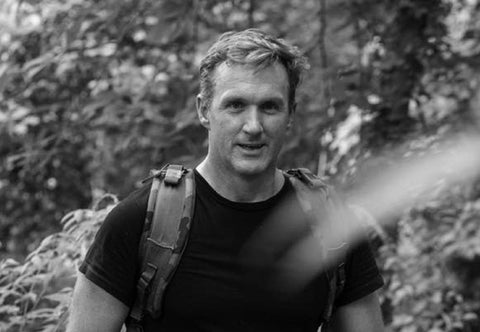
Here is a list of what we do at StewSmithFitness.com
Who is Stew Smith? Coach, Trainer, Author, Podcaster
I'm the former Navy SEAL that special ops candidates go to for books, ebooks and online coaching to prepare themselves to get to and through intense tactical assessment and selection programs and qualify for service in their chosen tactical profession. See More at StewSmithFitness.com
Core Mission
-
Tactical Fitness Training For the Candidate / Recruit: Specializing in preparing individuals for military, special ops, law enforcement, and firefighter selection programs (getting you "TO and THROUGH" training).
-
Functional Training for Both Active Duty / Recruits: Utilizing a seasonal tactical fitness periodization system that balances longer workouts of running/rucking, swimming, and calisthenics during the Spring/Summer when days are longer. Then, the focus shifts in the Fall/Winter to lifting (Cals/cardio maintenance) when the days are shorter/colder. This process has 25 years of proven success building tactical athletes who improve in all areas of fitness: strength, power, speed, agility, endurance, muscle stamina, mobility, flexibility, and grip.

- Becoming an Asset for All Types: Even non-tactical athletes want to be of use in situations that require some level of fitness to get through the day. Be an asset, not a liability, in potentially dangerous situations, whether natural or man-made. Fitness can be a common denominator in successfully enduring life-or-death scenarios.
Specific Programs & Courses
-
The Ageless Athlete (Fitness Over 50): A 22-week program designed for beginners to advanced trainees looking to regain fitness, flexibility, and energy.
-
Tactical Fitness Over 40: After training people for over 25 years now, many who started with me in the early 2000s are now in their 40s and beyond. Learning how to shift training to remain an asset while also offering longevity, flexibility, and mobility is central to this 52-week program. (4-part series)
-
Tactical Fitness Course: An 80-minute course on preparing for Spec Ops selection, getting TO and THROUGH the toughest military special ops’ programs using this two-phase system.
Seasonal Tactical Fitness Periodization - A 25 Year proven system to become a tactical athlete. What is Seasonal Tactical Fitness Periodization?
-
The Never Quit Mindset Book and Course: The "Never Quit Mindset" book and course are a deep dive into building constructive habits that incrementally improve discipline, build mental toughness, and foster a Never Quit Mindset in anything you want to do.
-
Specialized Workout Plans: Specific, tailored programs for Navy SEAL (Phases 1-4), SWCC, Army (SF/Ranger/Airborne), USMC MarSOC / (RECON), Air Force (PJ/CCT), Coast Guard, Law Enforcement (FBI/DEA/FLETC), Fire Fighter, and general fitness too for beginners and advanced athletes alike.
Resources and Content
-
-
Extensive Content Library: Over 1,000 free articles, 200+ podcasts, and social media content (YouTube, TikTok, Instagram) featuring Spec Ops swim critiques and LIVE QA sessions.
- FREE Local Training for those preparing to serve! Check out HeroesofTomorrow.org for our location and schedule.

-
NEW SKOOL.com Tactical Fitness Community
-
Educational Materials: Over 40 options for eBooks, videos, printed books, podcasts (200+), and online video courses.
-
Apps: Pushup Push, Pullup Push, FBI workout, and Navy SEAL exercise apps (iPhone/Android).
-
LIVE QA Sessions Each Week: Monday and Tuesday, 9 am EST on social media platforms (YouTube, Instagram, Facebook) and Skool.com Tactical Fitness community.
-
Online Coaching: Personalized programming based on specific goals, equipment, and your time availability.
- Membership Site: Access to hundreds of weeks of training, unpublished workouts, and exclusive content, weekly newsletter sent to subscribers with the week's latest articles, videos, and workouts (beginner/intermediate, and advanced special ops prep workouts).
-
Extensive Content Library: Over 1,000 free articles, 200+ podcasts, and social media content (YouTube, TikTok, Instagram) featuring Spec Ops swim critiques and LIVE QA sessions.
Discover the Secret to Unlocking Your Best Health After 50 (latest program developed)
As you cross the wonderful milestone of 50, you might find that your body doesn’t quite bounce back the way it used to. You’re not alone in this—many men and women in your age group are searching for ways to revive their fitness levels without feeling overwhelmed. That’s where longtime coach and fitness writer Stew Smith’s newest book, "The Ageless Athlete: Fitness Over 50," comes into play. This book may just be the spark you need to ignite your fitness journey.
Truth is, there are people over 60 and 70 doing this workout. Even the advanced section. It works and will help you progress from beginner to intermediate to advanced.

Remember, as you age, your training needs to adapt.
Have you been thinking about getting back in shape but don’t know where to start?
Imagine waking up each day with more energy, flexibility, and the drive to embrace life head-on. Stew Smith, a seasoned fitness expert with 56 years of experience, has crafted a program specifically for guys like you—men who may feel overwhelmed by fitness options or unsure what’s suitable for their age. With his 22-week plan tailored to beginners, intermediates, and advanced practitioners, you will find exactly what you need to suit your current fitness level.
New Tactical Fitness Training Course!
Getting TO the training does not guarantee you get THROUGH the training. Learn about the two phases of tactical fitness you need to develop thoroughly before getting to BUDS. Check out the Online Course - Getting TO and THROUGH Special Ops Selection.
Training is What We Do:
Need Programming for Fitness Tests and Beyond? We are all about getting you TO and THROUGH your future training program. See how that works.
Where to Find More Information About Optimal Performance Training Programs
When you start training again, consider the seasonal tactical fitness model. I call it A WAY to train and obviously not the only way to train. But it offers the opportunity to never neglect your weaknesses, improves flexibility and mobility, and puts you at a level of physical ability where you are happy with your overall ability to do just about anything. We have a system where the seasons dictate our training. When it is nicer outside, we tend to run and do more calisthenics. When it is colder and not so nice, we lift more, run less, and still maintain our outdoor activities with shorter runs and rucks. Check it out: Seasonal Tactical Fitness Periodization System.
Online Coaching Options
Online Coaching is Available with Stew Smith Fitness - Weekly Workouts created personally for you.
New Members' Only Content / Services Program!
If you want access to years' worth of workouts, many of the top eBOOKs, favorite workouts of the week, a free fitness APP, a closed Facebook Group, a video/picture library of exercises, and more access to LIVE Q/A sessions, check out the Stew Smith Fitness Members Section.
The dashboard below has the links to all the information, archives, videos, and links to workouts, podcasts, live Q and A lessons.

Consider this! - A Membership Program and Gain Access to Exclusive Content
(click for Fitness Club Dashboard - members only)
0 comments