


When Losing Weight Is a Little Harder to Do Than It Used to Be
 Oh, to be 18 years old again - All that energy!
It can feel unfair. You go from being able to eat an entire pizza in your twenties without gaining an ounce to feeling like you gain weight just by looking at a pizza in your forties. Here is the question I have been trying to figure out for the last 20+ years: What gives and how do we help make this inevitable process more of a gentle slope through middle age and beyond?
As a hard-gaining teen, if you were into working hard to gain weight, you piled on extra calories, lifted weights, and focused on good sleep to ensure growth was in an optimal state. The old saying I used to live by: “If you want to be big, you need to eat big and lift big.” It worked, but it was tough and likely led to habits of overeating that have made eating less to lose weight more challenging. But that was not a big deal in my teens and twenties, and even in my early 30s, as I could usually outwork my eating. Then something changed.
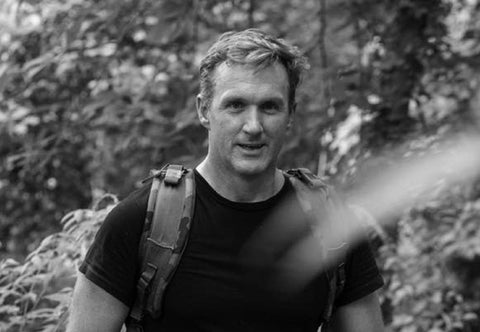
 18 Yr Old Me After 6 Years of Lifting and Eating, It Started to Work
While it feels like a sudden betrayal by your own body, what’s happening is a slow, interconnected shift in your eating habits, activity levels, hormonal changes, stress from more responsibilities in life, and body composition compared to when you were younger. Here is a breakdown of exactly what changes inside the human body to turn a "hard gainer" into someone who struggles to lose weight (aka hard loser).
1. The Loss of Muscle Mass (Sarcopenia)
This is the biggest culprit. Starting around age 30, the human body naturally begins to lose muscle mass, a process called sarcopenia. If you aren't actively strength training, you can lose anywhere from 3% to 8% of your muscle mass per decade.
-
Why it matters: Muscle is an incredibly metabolically active tissue; it burns calories even when you are just sitting on the couch.
- The shift: As your muscle mass drops, your Basal Metabolic Rate (BMR) - the number of calories your body needs just to live your life - drops with it. You simply burn fewer calories by existing than you did when you were 20. More protein, strength, and power training matter – see study.
2. Hormonal Shifts
Hormones control where your body stores fat and how it burns energy. As we age, the following start to occur:
-
In men, testosterone levels gradually decline. Testosterone is crucial for maintaining muscle mass and keeping deep abdominal fat at bay.
-
In women, leading up to and during menopause, estrogen levels drop significantly. This shift signals the body to stop storing fat in the hips and thighs and start storing it in the abdomen (visceral fat), which is much more stubborn to lose.
-
Growth Hormone: Growth hormone (which helps repair tissue and regulate metabolism) peaks in youth and plummets as we age.
We can help create more HGH by doing higher intensity training like sprints. Study on HGH/sprinting

Decline in Cellular Energy (Mitochondrial Function)
Inside your cells, tiny power plants called mitochondria turn food into energy. When you are a teenager or young adult, your mitochondria are highly efficient.
As you age, mitochondrial function naturally declines. Your cells become less efficient at turning nutrients into usable energy, making it easier for the body to store those unburned nutrients as fat instead.
To improve this process and make the decline less steep, focus on higher intensity training, aerobic exercise, and lifting/calisthenics. Physical exercise is a requirement. Secondly, eat highly nutrient-dense foods that contain antioxidants, such as polyphenols found in fruits and vegetables. Also, omega-3 fats found in fish, avocados, and olive oil are needed. Supplement these if needed: CoQ10, B vitamins, magnesium, ALA (alpha-lipoic acid) and sleep well consistently.

Insulin Sensitivity Drops
As we get older, our cells often become a bit more resistant to insulin, the hormone responsible for clearing sugar out of our bloodstream. When your body becomes less sensitive to insulin, it has to pump out more of it to get the job done. High levels of insulin in the blood signal the body to store fat rather than burn it.
The above nutrition, exercise, and sleep process helps with this, but avoiding simple sugars, adding more fiber, and learning stress-mitigation skills can also help you naturally with this part of the process.
NEAT Decreases (The "Fidget" Factor)
When you were younger, you likely had higher levels of NEAT (Non-Exercise Activity Thermogenesis). This includes all the energy expended for everything we do that is not sleeping, eating, or sports-like exercise, such as walking to class, fidgeting, pacing, and moving around.
As we age, we naturally tend to become more sedentary, sit for longer periods at work, and move less throughout the day, significantly reducing our daily calorie burn without us even realizing it. This is a big part of the process, and you need to find ways to take short exercise breaks throughout the day. A 10-minute walk after lunch, parking farther from the store, and taking the stairs instead of the elevator are easy ways to add more movement to a sedentary day.

The Bottom Line: When you were a "hard gainer," your body had peak hormone levels, higher muscle mass, greater activity levels, and hyper-efficient cells demanding constant fuel. As you age, your internal engine downsizes. You aren't necessarily doing anything wrong; your body has just changed the rules of the game.
To counteract this shift, the focus usually must move away from just "eating less" and toward resistance training (to protect and build that muscle engine) and toward protein and nutrient density to match your body's evolving metabolic pace. For me, as a hard loser for 20 years now, I have found the continued strength training with weights and calisthenics, a wide range of cardio (swim, bike, jog, ruck, walk), and eating nutritiously (and less than previous decades), and a good night’s sleep are all necessary for weight loss. I cannot just work out harder anymore – my life just does not allow for it at 57.
There is More To StewSmithFitness.com than You May Know
Dive deeper into the world of Tactical Athlete training and mental toughness by exploring Stew Smith Fitness Programming for the Tactical Athlete online store. Uncover the strategies and techniques used by elite forces to push past physical and mental barriers. Visit StewSmithFitness.com now and equip yourself with the tools for success in many special ops-level selection programs in the military and police world.
Here is a list of what we do at StewSmithFitness.com
Who is Stew Smith? Coach, Trainer, Author, Podcaster
I'm the former Navy SEAL that special ops candidates go to for books, ebooks and online coaching to prepare themselves to get to and through intense tactical assessment and selection programs and qualify for service in their chosen tactical profession. See More at StewSmithFitness.com
Core Mission
-
Tactical Fitness Training For the Candidate / Recruit: Specializing in preparing individuals for military, special ops, law enforcement, and firefighter selection programs (getting you "TO and THROUGH" training).
-
Functional Training for Both Active Duty / Recruits: Utilizing a seasonal tactical fitness periodization system that balances longer workouts of running/rucking, swimming, and calisthenics during the Spring/Summer when days are longer. Then, the focus shifts in the Fall/Winter to lifting (Cals/cardio maintenance) when the days are shorter/colder. This process has 25 years of proven success building tactical athletes who improve in all areas of fitness: strength, power, speed, agility, endurance, muscle stamina, mobility, flexibility, and grip.

- Becoming an Asset for All Types: Even non-tactical athletes want to be of use in situations that require some level of fitness to get through the day. Be an asset, not a liability, in potentially dangerous situations, whether natural or man-made. Fitness can be a common denominator in successfully enduring life-or-death scenarios.
Specific Programs & Courses
-
The Ageless Athlete (Fitness Over 50): A 22-week program designed for beginners to advanced trainees looking to regain fitness, flexibility, and energy.
-
Tactical Fitness Over 40: After training people for over 25 years now, many who started with me in the early 2000s are now in their 40s and beyond. Learning how to shift training to remain an asset while also offering longevity, flexibility, and mobility is central to this 52-week program. (4-part series)
-
Tactical Fitness Course: An 80-minute course on preparing for Spec Ops selection, getting TO and THROUGH the toughest military special ops’ programs using this two-phase system.

Seasonal Tactical Fitness Periodization - A 25 Year proven system to become a tactical athlete. What is Seasonal Tactical Fitness Periodization?
-
The Never Quit Mindset Book and Course: The "Never Quit Mindset" book and course are a deep dive into building constructive habits that incrementally improve discipline, build mental toughness, and foster a Never Quit Mindset in anything you want to do.
-
Specialized Workout Plans: Specific, tailored programs for Navy SEAL (Phases 1-4), SWCC, Army (SF/Ranger/Airborne), USMC MarSOC / (RECON), Air Force (PJ/CCT), Coast Guard, Law Enforcement (FBI/DEA/FLETC), Fire Fighter, and general fitness too for beginners and advanced athletes alike.

Resources and Content
-
-
Extensive Content Library: Over 1,000 free articles, 200+ podcasts, and social media content (YouTube, TikTok, Instagram) featuring Spec Ops swim critiques and LIVE QA sessions.
- FREE Local Training for those preparing to serve! Check out HeroesofTomorrow.org for our location and schedule.

-
NEW SKOOL.com Tactical Fitness Community
-
Educational Materials: Over 40 options for eBooks, videos, printed books, podcasts (200+), and online video courses.
-
Apps: Pushup Push, Pullup Push, FBI workout, and Navy SEAL exercise apps (iPhone/Android).
-
LIVE QA Sessions Each Week: Monday and Tuesday, 9 am EST on social media platforms (YouTube, Instagram, Facebook) and Skool.com Tactical Fitness community.
-
Online Coaching: Personalized programming based on specific goals, equipment, and your time availability.
- Membership Site: Access to hundreds of weeks of training, unpublished workouts, and exclusive content, weekly newsletter sent to subscribers with the week's latest articles, videos, and workouts (beginner/intermediate, and advanced special ops prep workouts).
-
Extensive Content Library: Over 1,000 free articles, 200+ podcasts, and social media content (YouTube, TikTok, Instagram) featuring Spec Ops swim critiques and LIVE QA sessions.
Discover the Secret to Unlocking Your Best Health After 50 (latest program developed)
As you cross the wonderful milestone of 50, you might find that your body doesn’t quite bounce back the way it used to. You’re not alone in this—many men and women in your age group are searching for ways to revive their fitness levels without feeling overwhelmed. That’s where longtime coach and fitness writer Stew Smith’s newest book, "The Ageless Athlete: Fitness Over 50," comes into play. This book may just be the spark you need to ignite your fitness journey.
Truth is, there are people over 60 and 70 doing this workout. Even the advanced section. It works and will help you progress from beginner to intermediate to advanced.

Remember, as you age, your training needs to adapt.
Have you been thinking about getting back in shape but don’t know where to start?
Imagine waking up each day with more energy, flexibility, and the drive to embrace life head-on. Stew Smith, a seasoned fitness expert with 56 years of experience, has crafted a program specifically for guys like you—men who may feel overwhelmed by fitness options or unsure what’s suitable for their age. With his 22-week plan tailored to beginners, intermediates, and advanced practitioners, you will find exactly what you need to suit your current fitness level.
New Tactical Fitness Training Course!
Getting TO the training does not guarantee you get THROUGH the training. Learn about the two phases of tactical fitness you need to develop thoroughly before getting to BUDS. Check out the Online Course - Getting TO and THROUGH Special Ops Selection.
Training is What We Do:
Need Programming for Fitness Tests and Beyond? We are all about getting you TO and THROUGH your future training program. See how that works.
New Tactical Fitness Training Course!
Getting TO the training does not guarantee you get THROUGH the training. Learn about the two phases of tactical fitness you need to develop thoroughly before getting to BUDS. Check out the Online Course - Getting TO and THROUGH Special Ops Selection.
Where to Find More Information About Optimal Performance Training Programs
When you start training again, consider the seasonal tactical fitness model. I call it A WAY to train and obviously not the only way to train. But it offers the opportunity to never neglect your weaknesses, improves flexibility and mobility, and puts you at a level of physical ability where you are happy with your overall ability to do just about anything. We have a system where the seasons dictate our training. When it is nicer outside, we tend to run and do more calisthenics. When it is colder and not so nice, we lift more, run less, and still maintain our outdoor activities with shorter runs and rucks. Check it out: Seasonal Tactical Fitness Periodization System.
Online Coaching Options
Online Coaching is Available with Stew Smith Fitness - Weekly Workouts created personally for you.
New Members' Only Content / Services Program!
If you want access to years' worth of workouts, many of the top eBOOKs, favorite workouts of the week, a free fitness APP, a closed Facebook Group, a video/picture library of exercises, and more access to LIVE Q/A sessions, check out the Stew Smith Fitness Members Section.
The dashboard below has the links to all the information, archives, videos, and links to workouts, podcasts, live Q and A lessons.

Consider this! - A Membership Program and Gain Access to Exclusive Content
(click for Fitness Club Dashboard - members only)
0 comments